
Water Stains, Cracked Foundations, and Questions: What Are Your Legal Options When Construction Goes Wrong in Tennessee?
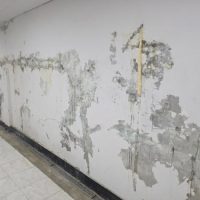
A newly built home or renovated commercial space should feel like a fresh start. So what happens when cracks appear in the foundation months later, or water starts seeping through walls that were supposed to be sealed tight? Property owners across East Tennessee often find themselves asking the same question: what can actually be done about defective construction work?
What Counts as a Construction Defect?
Construction defects generally fall into a few recognizable categories. Design defects happen when plans or specifications themselves are flawed. Material defects involve substandard or improper products used during the build. Workmanship defects arise when the work itself doesn’t meet accepted standards, even if the design and materials were sound. Each type raises different questions about who may be responsible, whether that’s an architect, contractor, subcontractor, or supplier.
Common Signs Something Went Wrong
Some defects show up quickly. Others take years to surface. Property owners in Tennessee have reported issues such as:
- Foundation cracking or settling
- Roof leaks or improper drainage
- Electrical or plumbing failures
- Mold growth tied to moisture intrusion
- Structural elements that don’t meet code
Not every issue traces back to negligence. Some settling or minor wear is simply part of how buildings age. That’s part of what makes these situations so tricky to sort through on your own.
Why Timing Matters So Much
One of the more curious quirks of Tennessee construction law is how strictly it treats timing. Under Tenn. Code Ann. § 28-3-202, claims involving deficiencies in the design, planning, or construction of an improvement to real property generally must be brought within four years of substantial completion of the project. If the defect causes injury during that fourth year, there’s a narrow one-year extension to file. Beyond that window, the law generally closes the door on bringing a claim at all, regardless of how serious the defect turns out to be.
This is different from an ordinary statute of limitations, which usually starts running when someone discovers a problem. A statute of repose like this one starts the clock at substantial completion, whether or not anyone has noticed anything wrong yet. That distinction alone can determine whether a claim is even possible.
What Are Your Options?
Depending on the situation, a property owner dealing with defective construction may have several avenues worth exploring, including breach of contract claims against a builder, negligence claims tied to substandard workmanship, or warranty claims if applicable warranties were part of the original agreement. Documentation tends to matter a great deal here. Photos, inspection reports, contracts, and correspondence can all become relevant if a dispute moves forward.
Given how fact-specific and time-sensitive these cases can be, it’s often worth having someone review the details early rather than waiting to see if a problem resolves itself.
Considering Your Next Step?
If you’re dealing with construction issues in East Tennessee and aren’t sure where things stand, our Knoxville construction law attorneys at Reynolds, Atkins, Brezina & Stewart, PLLC are glad to talk through what you’re seeing and help you understand what questions to ask next. We invite you to reach out to discuss the specifics of your situation.
