
Can Mold in a New Home Be a Construction Defect?
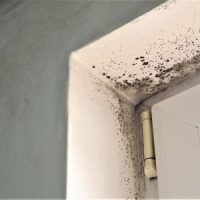
Buying or building a new home should give you peace of mind. The last thing you expect after investing in a new home is for mold to invade your house, putting your health at risk and leading to costly repairs. But the reality is that mold growth inside residential properties is more common than many people realize. It is not uncommon to experience mold issues shortly after moving into a newly constructed home. When that happens, a common and crucial question often arises: “Can mold in a new home be a construction defect?” In many cases, the answer is yes.
What Is a Construction Defect in Tennessee?
A construction defect is a flaw in design, materials, workmanship, or construction methods that results in a building failing to comply with accepted standards, building codes, or contractual requirements. Construction defects cause property damage or safety issues.
Mold itself is not really a construction defect because mold spores are naturally found in the environment. However, mold may arise as a result of a construction defect. This happens when moisture or water intrusion that provides a suitable environment for mold is caused by a construction problem rather than by the homeowner’s conduct.
How Can Construction Defects Lead To Mold Growth?
Mold needs moisture to grow. Construction defects lead to mold growth mainly by creating moisture issues. Common construction-related issues that cause moisture issues, which in turn lead to mold growth, include:
- Poor waterproofing on foundations
- Leaky windows or doors
- Inadequate ventilation
- Materials left damp during construction
- Defective plumbing installation
- Use of substandard materials
- Faulty air conditioning systems
These problems can allow water intrusion or trap moisture in ceilings, walls, or floors, leading to the development of mold.
Legal Options When Mold Is Caused by a Construction Defect
When mold in a new home is linked to a construction defect, Tennessee law may provide homeowners with several legal options. Legal claims you can pursue include:
Breach of Contract
When mold arises from a failure to meet the obligations set forth in a contract, a breach of contract claim may apply.
Negligence
Failure to exercise reasonable care during construction, for example, failing to install ventilation, waterproofing, or plumbing properly, may constitute negligence if those failures lead to mold damage.
Breach of Implied Warranty
Tennessee law recognizes implied warranties in new residential construction. Buyers of new homes have a legitimate expectation that the materials used and building process meet a certain standard. When defects in construction lead to moisture problems that cause mold and compromise the home’s habitability, this implied warranty may be violated.
Proving Mold Arose From a Construction Defect
To succeed in a mold-related construction defect claim, you need to show more than just the presence of mold. You need to show that faulty construction led to mold growth and subsequently, your damages. In other words, you need to establish negligence, breach of contract, or breach of warranty.
Key evidence that can help you prove your mold-related construction defect claim includes:
- Professional inspections
- Documentation of the issue, such as photos and videos
- Repair records
- Expert opinions linking the mold to construction defects
Establishing a clear link between the mold and a construction defect is key.
Contact Us for Legal Help
If you believe mold in your new home is a result of a construction defect, our experienced Knoxville construction law attorney at Reynolds, Atkins, Brezina, & Stewart, PLLC can help with investigations and provide legal guidance.
